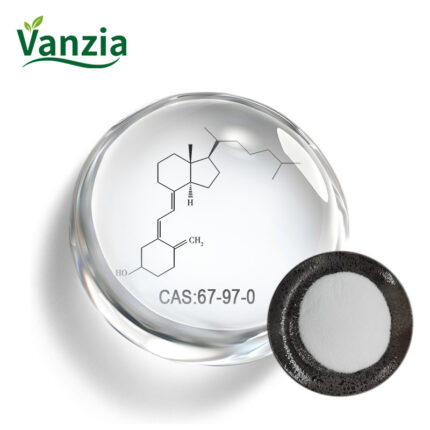
| Product Name | Coenzyme Q10(Ubiquinol) | |
| CAS | 992-78-9 | |
| Characteristic | Ubiquinol | Ubidecarenone |
| Chemical Structure | Fully reduced benzoquinone ring (hydroquinone form) |
Oxidized state of quinone ring (containing two carbonyl groups) |
| Primary Function | Electron transport + potent antioxidant (scavenges free radicals) |
Electron carrier in the electron transport chain |
| Antioxidant Capacity | 4-8 times that of the oxidized form | Relatively weak |
| Proportion in Blood | Approximately 95% | Approximately 5% |
| Age Correlation | Significantly decreases with age | Relatively stable |
| Absorption Property | Directly bioavailable | Requires conversion to reduced form in the intestine for absorption |
| Changes in Skin | Declines by 40% in aging skin | No significant change |
| Picture | 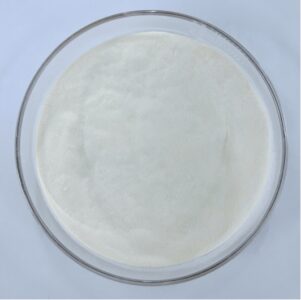 |
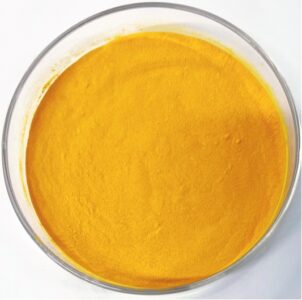 |
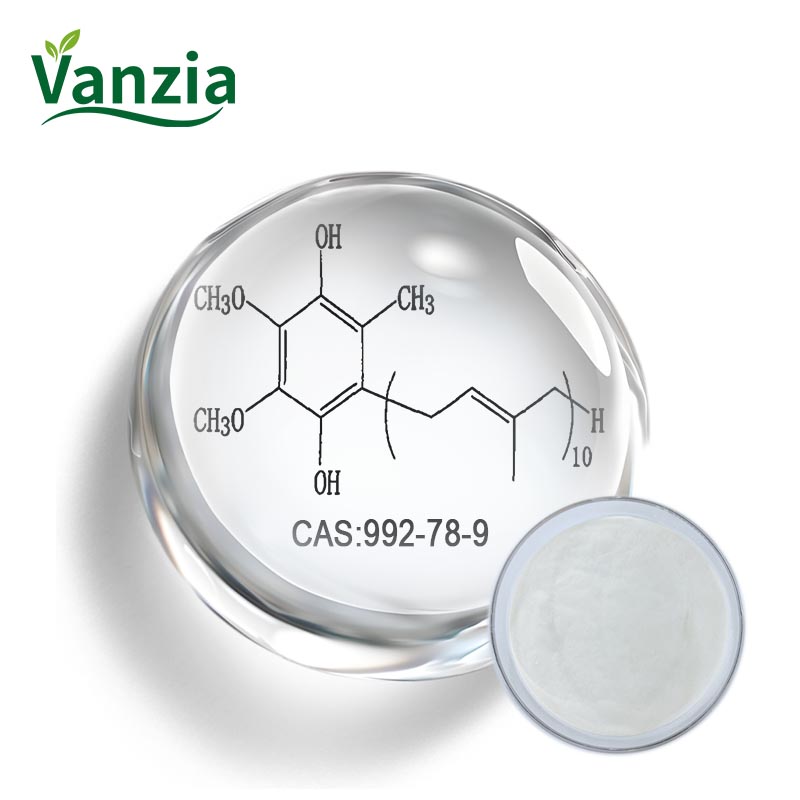
Reduced Coenzyme Q10 Ubiquinol, CAS 992-78-9
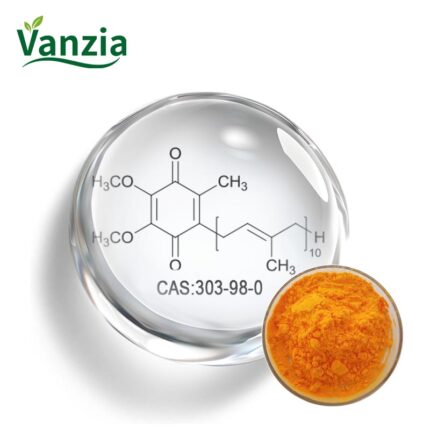
Ubidecarenone, also known as ubiquinone, is a key fat-soluble compound structurally similar to Vitamin K. It supports the body’s ability to convert nutrients into energy and provides essential antioxidant protection. Ubidecarenone significantly improves oxygen utilization in the heart and boosts the production of adenosine triphosphate (ATP), underscoring its vital importance to overall cardiovascular health.
Coenzyme Q10 exists primarily in two forms within the human body: Ubidecarenone and Ubiquinol. But, ubiquinol is the naturally active form that can be directly utilized by the body without conversion.
Description